Understanding Stroke: What Every Patient Should Know
Stroke remains one of the leading causes of disability and death worldwide. As an internal medicine physician, I often see patients who underestimate early warning signs or do not realize how preventable many strokes actually are.
The good news is that many strokes can be prevented through early risk factor management, healthy lifestyle changes, and timely medical care.
Understanding stroke symptoms and acting quickly can dramatically improve outcomes and save lives.
Ischemic Stroke
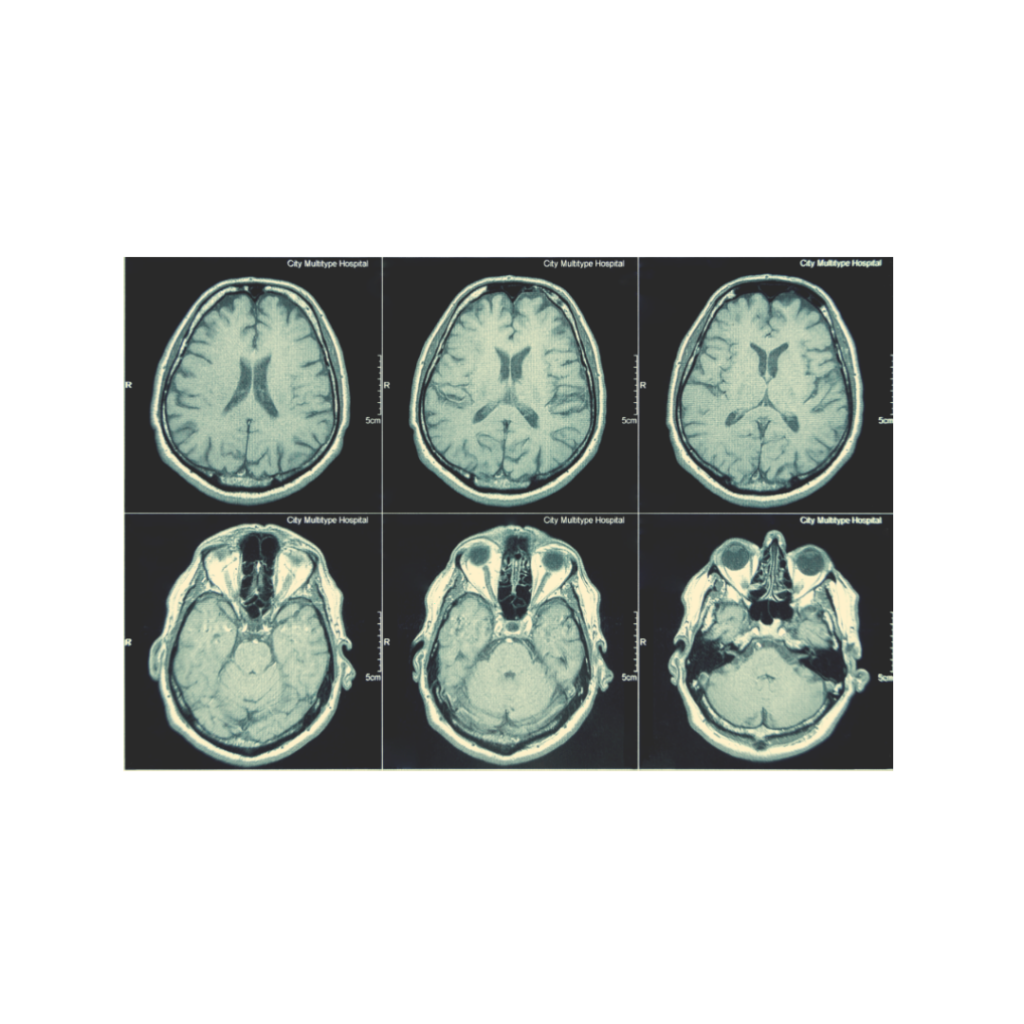
This is the most common type and occurs when a blood clot blocks an artery supplying blood to the brain.Hemorrhagic Stroke
This occurs when a blood vessel in the brain ruptures, causing bleeding inside or around the brain. Both types are medical emergencies requiring immediate treatment.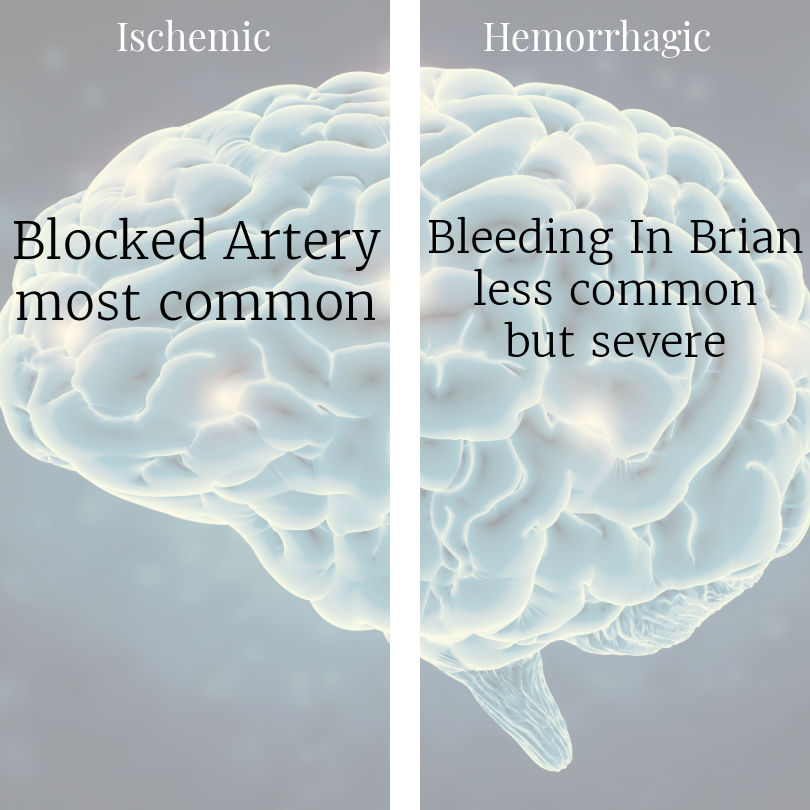
Recognizing Stroke Symptoms Quickly
One of the most important concepts in stroke care is the acronym FAST.
F — Face Drooping
One side of the face may appear numb or droop when smiling.
A — Arm Weakness
The person may have difficulty raising one arm or experience sudden weakness.
S — Speech Difficulty
Speech may become slurred, confused, or difficult to understand.
T — Time to Call 911
Time is critical. Immediate emergency care can significantly reduce brain damage.
Other symptoms may include:
- Sudden vision changes
- Severe headache
- Dizziness
- Loss of balance
- Confusion
- Numbness on one side of the body
Major Stroke Risk Factors
In internal medicine practice, several medical conditions consistently increase stroke risk.
High Blood Pressure
Hypertension is the single most important modifiable stroke risk factor.
Diabetes
Poorly controlled blood sugar damages blood vessels over time.
High Cholesterol
Plaque buildup can narrow arteries and increase clot formation.
Smoking
Smoking damages blood vessels and raises blood pressure.
Atrial Fibrillation
Irregular heart rhythms can lead to clot formation that travels to the brain.
Obesity and Sedentary Lifestyle
Lack of physical activity contributes to multiple cardiovascular risk factors.
How Internal Medicine Physicians Help Prevent Stroke
Internal medicine physicians focus heavily on prevention and chronic disease management.
Preventive care includes:
- Blood pressure monitoring
- Cholesterol management
- Diabetes control
- Smoking cessation counseling
- Weight management
- Medication optimization
- Cardiovascular risk assessment
Routine primary care visits play a major role in identifying stroke risk before complications occur.
Stroke Prevention Tips
Maintain Healthy Blood Pressure
Regular blood pressure monitoring is essential.
Exercise Regularly
Aim for at least 150 minutes of moderate activity weekly.
Follow a Heart-Healthy Diet
Focus on:
- Vegetables
- Fruits
- Lean proteins
- Whole grains
- Low sodium intake
Quit Smoking
Smoking cessation dramatically reduces stroke risk.
Control Diabetes and Cholesterol
Medication adherence and regular follow-up are critical.
Limit Alcohol Intake
Excessive alcohol increases blood pressure and stroke risk.
Stroke Recovery and Rehabilitation
Recovery varies widely depending on stroke severity and how quickly treatment begins.
Many patients benefit from:
- Physical therapy
- Occupational therapy
- Speech therapy
- Neurological rehabilitation
- Mental health support
Family support and long-term follow-up are essential components of recovery.
When to Seek Emergency Care
Never ignore sudden neurological symptoms.
If you suspect a stroke:
- Call 911 immediately
- Do not drive yourself if symptoms are severe
- Note the time symptoms began
- Seek emergency evaluation immediately
Prompt treatment can significantly improve outcomes.
Final Thoughts from an Internal Medicine Perspective
Stroke prevention begins long before a medical emergency occurs.
Routine primary care, blood pressure management, healthy lifestyle choices, and recognizing early symptoms all play major roles in reducing stroke-related disability and death.
As internal medicine physicians, our goal is not only to treat disease but to help patients prevent life-changing complications before they happen.
Early action saves brain function, independence, and lives.
Lorem ipsum dolor sit amet, consectetur adipiscing elit. Ut elit tellus, luctus nec ullamcorper mattis, pulvinar dapibus leo.