
High blood pressure, also called hypertension, affects millions of adults and is often known as the “silent killer” because it may not show obvious symptoms. During High Blood Pressure Education Month, it’s important to raise awareness about healthy lifestyle habits that support better heart health.
The good news is that small daily changes can make a significant difference in maintaining healthy blood pressure levels naturally.
What Is High Blood Pressure?
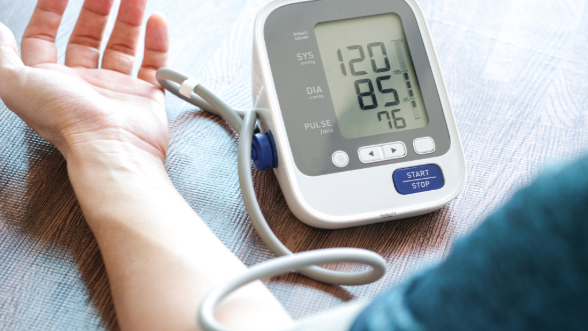
Blood pressure measures how hard your blood pushes against artery walls.
A normal blood pressure reading is generally around:
- 120/80 mmHg
Consistently elevated numbers may increase the risk of:
- Heart disease
- Stroke
- Kidney disease
- Vision problems
1. Reduce Sodium Intake
One of the biggest contributors to high blood pressure is excess sodium.
Tips to Reduce Sodium:
- Avoid heavily processed foods
- Read nutrition labels carefully
- Use herbs instead of salt
- Limit fast food meals
Heart-Healthy Alternatives:
- Fresh vegetables
- Homemade meals
- Unsalted nuts
- Lean proteins
2. Exercise Regularly
Physical activity helps strengthen the heart and improve circulation.
Recommended Activities:
- Walking
- Cycling
- Swimming
- Strength training
- Yoga
Aim for at least 30 minutes of movement most days of the week.
3. Maintain a Healthy Weight
Extra body weight can increase strain on the heart and blood vessels.
Healthy Weight Tips:
- Focus on portion control
- Increase daily movement
- Prioritize protein and fiber
- Stay hydrated
Even modest weight loss may help improve blood pressure levels.
4. Eat More Heart-Healthy Foods
Nutrition plays a major role in heart health.
Best Foods for Blood Pressure:
- Leafy greens
- Bananas
- Oats
- Salmon
- Beans
- Berries
- Avocados
These foods contain nutrients like potassium, magnesium, and fiber that support cardiovascular health.
5. Manage Stress Effectively
Chronic stress may contribute to elevated blood pressure.
Stress-Reducing Habits:
- Meditation
- Deep breathing
- Journaling
- Walking outdoors
- Limiting screen time
- Practicing gratitude
Taking even 10 minutes daily to relax can positively impact overall wellness.
6. Improve Sleep Quality
Poor sleep can negatively affect blood pressure and heart health.
Better Sleep Habits:
- Keep a consistent bedtime
- Avoid caffeine late in the day
- Limit phone use before bed
- Create a cool, dark sleep environment
Adults should aim for 7–9 hours of sleep each night.
7. Limit Alcohol and Quit Smoking
Smoking damages blood vessels and increases heart disease risk.
Reducing alcohol intake and quitting smoking are two of the most powerful steps for improving cardiovascular health.
Signs You Should Talk to a Doctor
Seek medical advice if you experience:
- Frequent headaches
- Chest pain
- Shortness of breath
- Dizziness
- Extremely high blood pressure readings
Routine checkups are important even if you feel healthy.
Conclusion
Managing blood pressure naturally starts with small, consistent lifestyle habits. Eating nutritious foods, staying active, managing stress, and improving sleep can all support long-term heart health.
High Blood Pressure Education Month is the perfect reminder to take proactive steps toward a healthier future.