

When temperatures climb during the Texas summer, spending time outdoors can quickly become dangerous if your body is unable to cool itself. Every year, thousands of people are treated for heat-related illnesses, ranging from mild dehydration to life-threatening heat stroke.
Understanding the difference between heat exhaustion and heat stroke could save your life—or the life of someone you love.
Whether you’re working outside, exercising, attending sporting events, or simply enjoying a summer afternoon, recognizing the warning signs early is essential.
What Happens When Your Body Gets Too Hot?
Your body normally regulates temperature by sweating. As sweat evaporates, it cools your skin and helps maintain a safe internal temperature.
However, during extremely hot or humid weather, or when you’re physically active, your body may not be able to cool itself fast enough. This can lead to a progression of heat-related illnesses.
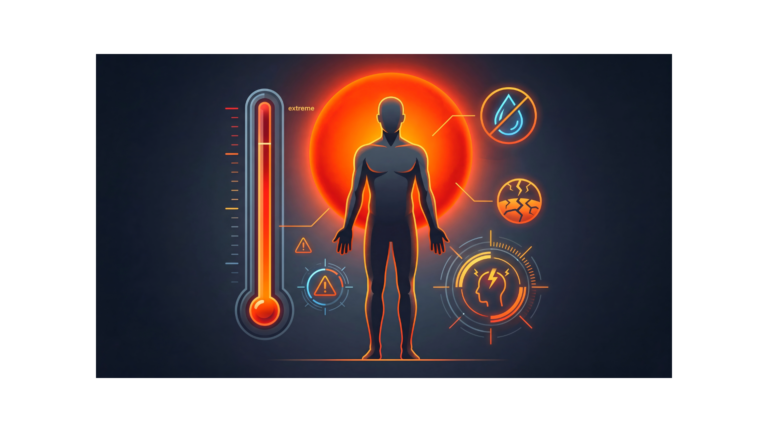
Heat exhaustion is a warning sign that your body is overheating.
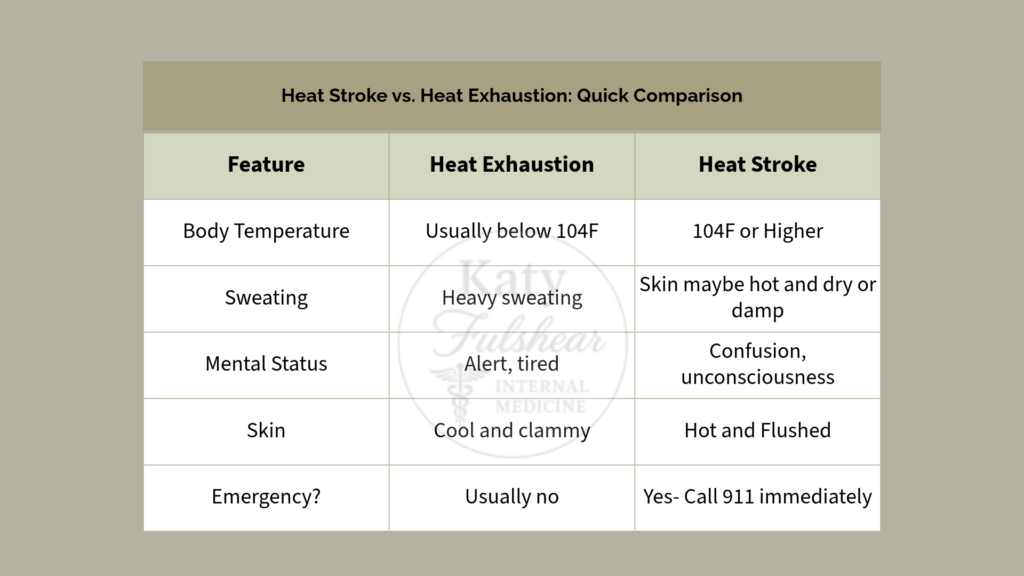
Heat stroke is a medical emergency that occurs when the body’s temperature rises to 104°F (40°C) or higher, causing potential damage to the brain, heart, kidneys, and other organs.
Heat Exhaustion: The Warning Stage
Heat exhaustion develops after prolonged exposure to heat, especially when accompanied by dehydration.
Common Symptoms
- Heavy sweating
- Cool, pale, clammy skin
- Muscle cramps
- Weakness or fatigue
- Headache
- Dizziness
- Nausea or vomiting
- Fast but weak pulse
- Fainting
Most people improve by moving to a cool place, drinking water or electrolyte-containing fluids, loosening clothing, and resting.
Ignoring these symptoms can allow heat exhaustion to progress into heat stroke.
Heat Stroke: A Medical Emergency
Heat stroke occurs when the body’s cooling system fails completely.
Without immediate treatment, it can cause permanent organ damage or death.
Warning Signs
- Body temperature above 104°F
- Hot, red skin (may be dry or damp)
- Confusion
- Slurred speech
- Loss of consciousness
- Seizures
- Rapid, strong pulse
- Difficulty walking
- Severe headache
Call 911 immediately if someone has signs of heat stroke.
While waiting for emergency responders:
- Move the person into the shade or an air-conditioned area.
- Remove excess clothing.
- Apply cool water or ice packs to the neck, armpits, and groin.
- Fan the person to help lower body temperature.
Do not force fluids if they are unconscious or confused.
Who Is Most at Risk?
Anyone can develop heat-related illness, but certain groups are at higher risk.
These include:
- Adults over age 65
- Young children
- People with diabetes
- Individuals with heart disease
- Patients with high blood pressure
- Outdoor workers
- Athletes
- Pregnant women
- People taking diuretics or certain blood pressure medications
Individuals who are overweight or obese
How to Prevent Heat-Related Illness
Fortunately, most cases can be prevented with a few simple precautions.
Stay Hydrated
Drink water consistently throughout the day, even if you don’t feel thirsty.
Avoid Peak Heat
Limit outdoor activities between 10 a.m. and 4 p.m., when temperatures are typically highest.
Dress Appropriately
Wear loose-fitting, lightweight, light-colored clothing.
Take Frequent Breaks
If working outdoors, rest regularly in shaded or air-conditioned areas.
Never Leave Anyone in a Parked Vehicle
Temperatures inside a car can become deadly within minutes.
Know Your Medications
Some medications—including diuretics, antihistamines, and certain blood pressure medicines—can increase your risk of overheating. Speak with your healthcare provider if you have concerns.
When Should You See Your Doctor?
Schedule an appointment if you:
- Frequently become overheated
- Experience dizziness during outdoor activities
- Have chronic conditions that increase your heat risk
- Want to review medications before spending significant time outdoors
Your primary care provider can help you develop a personalized heat safety plan, especially if you have diabetes, heart disease, kidney disease, or high blood pressure.
Frequently Asked Questions
Can heat exhaustion turn into heat stroke?
Yes. Without prompt cooling and hydration, heat exhaustion can rapidly progress to heat stroke.
Should I drink sports drinks or water?
Water is sufficient for most people. During prolonged exercise or heavy sweating, electrolyte-containing beverages may be beneficial.
Can heat stroke happen indoors?
Yes. Heat stroke can occur indoors if air conditioning is unavailable or inadequate during extreme heat.
What temperature is considered heat stroke?
A core body temperature of 104°F (40°C) or higher, combined with neurological symptoms such as confusion or unconsciousness, is considered heat stroke and requires emergency medical treatment.
Stay Safe This Summer
Texas summers can be unforgiving, but understanding the difference between heat exhaustion and heat stroke can help protect you and your family.
Recognize the warning signs early, stay hydrated, avoid excessive heat exposure, and never ignore symptoms of heat stroke.
If you have chronic medical conditions or take medications that may increase your risk of heat-related illness, talk with your healthcare provider about staying safe during the hottest months of the year.
Need personalized advice about staying healthy during the Texas summer? Schedule an appointment with Katy-Fulshear Internal Medicine to discuss your health risks and preventive care.
External References
- Centers for Disease Control and Prevention heat safety guidance
- National Weather Service heat safety resources
- Mayo Clinic patient education on heat-related illness