
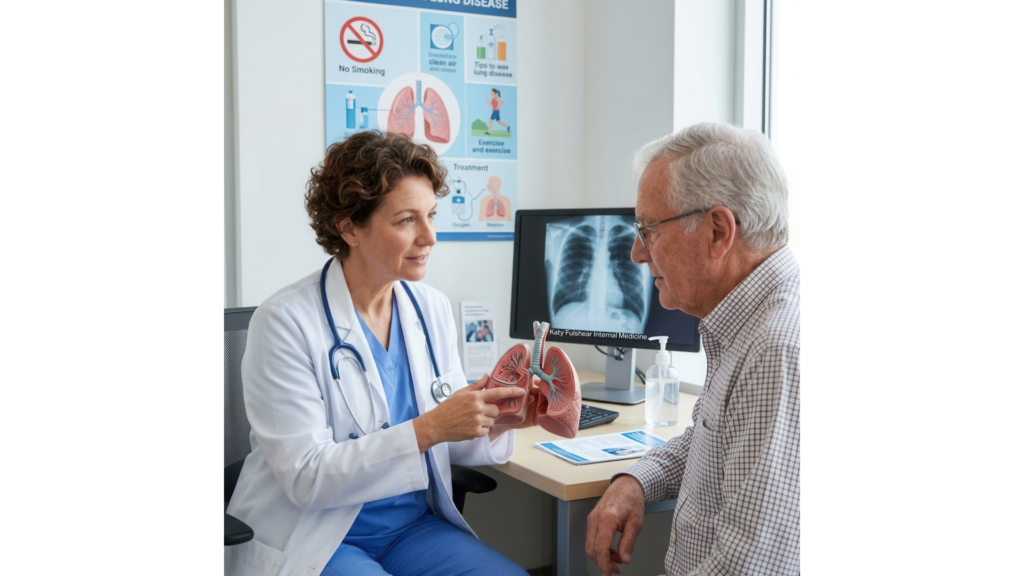
Your lungs play a vital role in delivering oxygen to your body, supporting physical activity, and maintaining your overall health. However, persistent coughing, wheezing, chest tightness, or shortness of breath can sometimes indicate an underlying medical condition that needs attention.
Maintaining good lung health involves recognizing warning signs, understanding your risk factors, and seeking medical evaluation when symptoms persist.
At Katy-Fulshear Internal Medicine, Dr. Sarwat Makkani, D.O., provides adult primary care, including evaluation of respiratory symptoms and management of chronic conditions such as chronic obstructive pulmonary disease (COPD) and asthma.
If you are looking for an internist in Katy, TX, understanding how internal medicine can support your respiratory health is an important first step toward better long-term wellness.
Why Is Lung Health Important?
Healthy lungs help your body receive the oxygen it needs and remove carbon dioxide. When your airways or lung tissue become inflamed, damaged, or obstructed, breathing may become more difficult. Lung health can be affected by several factors, including smoking, secondhand smoke, air pollution, workplace exposures, respiratory infections, allergies, and chronic medical conditions. Some respiratory problems develop suddenly, while others progress gradually. Paying attention to changes in your breathing can help you seek appropriate care before symptoms become more disruptive.Common Signs of Lung Problems You Should Not Ignore
Respiratory symptoms can have many causes. Some are temporary, while others may indicate a chronic condition that requires ongoing management. Contact your healthcare provider if you experience:- Persistent cough: A cough that does not resolve or repeatedly returns.
- Shortness of breath: Difficulty breathing during routine activities or exertion that previously felt comfortable.
- Wheezing: A whistling sound when breathing that may occur with asthma or other airway conditions.
- Excess mucus: Persistent phlegm or changes in mucus production.
- Chest tightness: A sensation of pressure or difficulty taking a full breath.
- Reduced exercise tolerance: Becoming unusually breathless or fatigued during everyday activities.
What is COPD?
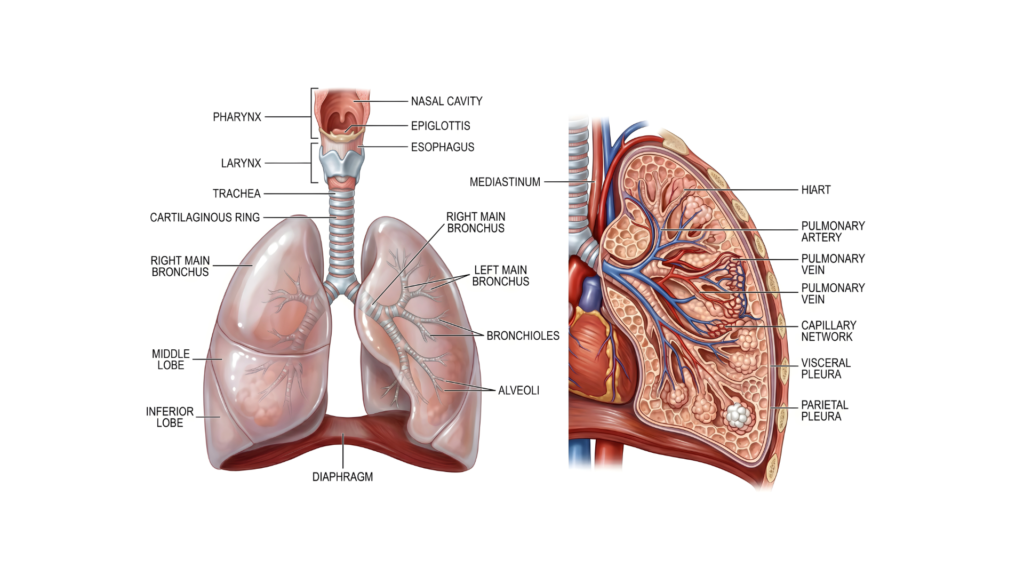
Chronic obstructive pulmonary disease, commonly called COPD, is a chronic lung condition that restricts airflow and makes breathing difficult. It includes conditions such as emphysema and chronic bronchitis.
Smoking is a major risk factor, but COPD can also affect people who have never smoked. Long-term exposure to secondhand smoke, dust, chemical fumes, and other airborne irritants may contribute to lung damage.
Common COPD symptoms include:
- Persistent coughing
- Excess mucus or phlegm
- Shortness of breath, especially during activity
- Wheezing
- Chest tightness
- Fatigue
How Is COPD Diagnosed?
COPD cannot be diagnosed from symptoms alone. Your healthcare provider will consider your medical history, symptoms, exposure history, physical examination, and appropriate testing. Depending on your circumstances, evaluation may include:- Reviewing your smoking history and occupational or environmental exposures
- Listening to your lungs and assessing your breathing
- Performing or arranging spirometry, a lung function test that measures how much air you can exhale and how quickly
- Ordering imaging or other tests when clinically indicated
- Considering other possible causes of your symptoms
How Can Dr. Sarwat Makkani Help With Lung Health?

An internist provides comprehensive medical care for adults, including the evaluation of new symptoms, management of chronic illnesses, and preventive healthcare.
At Katy-Fulshear Internal Medicine, Dr. Sarwat Makkani, D.O., helps patients address respiratory health concerns as part of their overall medical care. This article is for educational purposes only and does not replace individualized medical advice, diagnosis, or treatment.
1. Evaluating Cough and Breathing Symptoms
A persistent cough, wheezing, or shortness of breath deserves attention, particularly when symptoms are new, worsening, or interfering with daily activities. Dr. Makkani can review your symptoms, medical history, medications, and relevant risk factors to help determine the next steps in your evaluation and treatment.2. Managing Chronic Lung Conditions
Living with COPD or asthma may require ongoing medical care. Management can include reviewing symptoms, assessing how well treatment is working, addressing medication concerns, and helping patients recognize signs of worsening disease. Dr. Makkani provides care for chronic conditions, including COPD and asthma, with an emphasis on individualized treatment and continued follow-up.3. Treating Acute Respiratory Illnesses
Respiratory infections can cause cough, fever, congestion, and breathing discomfort. Some patients may develop complications or experience worsening of an existing lung condition. Your internist can evaluate appropriate symptoms, determine whether testing or treatment is needed, and help identify when a higher level of care is appropriate. Antibiotics are not necessary for every respiratory infection because many are caused by viruses.4. Supporting Smoking Cessation and Risk Reduction
Avoiding tobacco smoke and other lung irritants is an important part of protecting respiratory health. Your healthcare provider can discuss strategies for quitting smoking, reducing harmful exposures, and addressing other health factors that may affect breathing. For patients with COPD, smoking cessation is especially important because it can help slow further lung damage.5. Coordinating Preventive Care
Respiratory health is connected to your overall health. Conditions such as heart disease, obesity, and other chronic illnesses can affect exercise tolerance and breathing. As your internist, Dr. Makkani can consider these factors when evaluating symptoms, managing existing conditions, and coordinating referrals or additional testing when appropriate. For eligible patients, lung cancer screening with low-dose CT may also be worth discussing based on age and smoking history. Not everyone needs this screening, and eligibility should be assessed using current recommendations.Practical Ways to Protect Your Lung Health
You can take several steps to support healthier breathing:- Avoid smoking and vaping. If you smoke, ask your healthcare provider about evidence-based cessation support.
- Reduce exposure to irritants. Limit exposure to secondhand smoke, dust, chemical fumes, and unhealthy air when possible.
- Stay physically active. Follow an activity plan appropriate for your health and breathing ability.
- Keep vaccinations current. Discuss recommended influenza, COVID-19, pneumococcal, and other vaccines with your healthcare provider.
- Follow your treatment plan. If you have asthma or COPD, use prescribed medications as directed and discuss changes in symptoms.
- Attend recommended follow-up visits. Regular care can help identify worsening symptoms and review your treatment needs.
When Should You Seek Urgent Medical Care?
Do not ignore severe or rapidly worsening breathing problems. Call 911 if you experience severe difficulty breathing, cannot speak in full sentences because of breathlessness, develop blue or gray lips, or experience breathing difficulty accompanied by severe chest pain, fainting, or confusion. New or worsening shortness of breath should be assessed promptly, even if it is not severe enough to require emergency services.Lung Health Care in Katy, TX
Protecting your lung health begins with understanding your symptoms and addressing risk factors early. At Katy-Fulshear Internal Medicine, Dr. Sarwat Makkani, D.O., provides personalized adult medical care, including COPD management, asthma care, evaluation of respiratory symptoms, and treatment of common acute illnesses. If you have a persistent cough, unexplained shortness of breath, or concerns about a chronic lung condition, scheduling an evaluation with an internist in Katy can help you determine the appropriate next steps. Contact Katy-Fulshear Internal Medicine to schedule an appointment and discuss your respiratory health.Katy-Fulshear Internal Medicine
Dr. Sarwat Makkani, D.O.23960 Katy Freeway, Suite 320, Katy, TX 77494
(346) 500-5342